InterPore News featuring MiniPore

Sent on: 05-12-2025

Dear InterPore colleagues,

Sometimes, an idea or name really strikes as being a perfect fit. “MiniPore” is one that struck me when going through the items. Can you guess what it is about? It's not nanopores, although we do have a scientific highlight on that topic. MiniPore is in the line of EquiPore, another initiative previously mentioned and relating to "supporting one another across disciplines and borders", as InterPore President Vahid Niasar writes in the introduction of the Annual Report 2024. Happy reading!

All the best,

Matthijs de Winter
Editor-in-Chief
InterPore News


Submission of proposals for Conference Courses at InterPore2026 is open! Courses will be organized as satellite events of the InterPore Annual Meeting in Nantes, France on the following dates:

  • Monday, 18 May 2026

  • Saturday, 23 May 2026

Standard duration of a given course will be half a day (3-hour lecture). Proposals for non-standard duration, if well justified, will be considered. Main criteria for selection of proposals include track record of the proposers as well as the opportunity to ensure diversity to a full extent across all courses.

To submit your proposal, please complete the submission form.


The InterPore Foundation is once again offering conference grants to support researchers from low- and middle-income countries and graduate students attending InterPore2026.

The grants cover conference registration fees, and a limited number of recipients will also receive up to 500 € to help offset travel costs. The application deadline is 05 January 2026.
You can learn more about the program and submit your application here:https://events.interpore.org/event/58/page/750-conference-grant-program

You can also support this initiative by making a donation to the InterPore Foundation:https://interpore.org/foundation/foundation-donateInterPore2026 Conference Grant Program


We are pleased to welcome Jesús Carrera (IDAEA, Spain) as an invited speaker at InterPore2026. His lecture, “Conceptual Challenges to Model Biochemical Processes in Aquifers,” will explore how biofilms in porous media remove emerging pollutants like microplastics and endocrine disruptors. He will discuss the interplay of pore-scale diffusion, biofilm growth, and aquifer-scale heterogeneity, highlighting the challenges of linking small-scale processes to large-scale water treatment and policy decisions.


Biological Processes in Porous Media

Lead Organizer: Na Liu (University of Bergen, Norway)

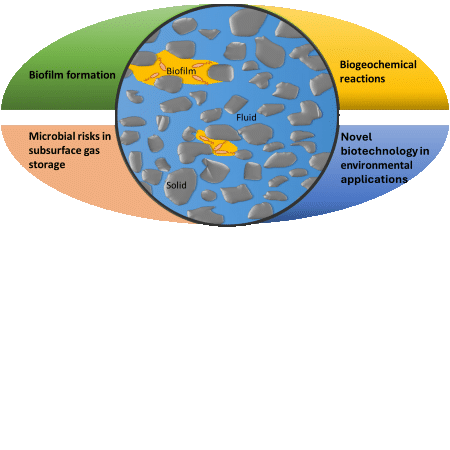
This minisymposium explores the critical role of microbial processes in natural and engineered porous media, including soils, reservoirs, and water treatment systems. Topics include biofilm formation, microbially-mediated biogeochemical reactions, microbial impacts on subsurface gas storage, and novel biotechnologies for environmental applications. Contributions from experimental, theoretical, and applied perspectives are welcome to advance understanding of how microbes shape the form, function, and sustainability of porous media.


Pore-Scale Physics and Modeling

Lead Organizer: Peter Kang (University of Minnesota, USA)

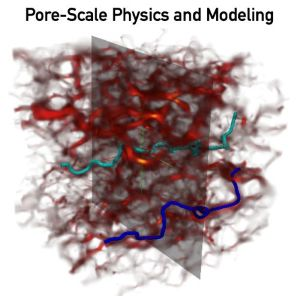
This minisymposium focuses on pore-scale modeling of fluid flow, reactive transport, and mechanical deformation in porous materials. Contributions are invited on validation against experiments, new physical insights, novel computational methods, and upscaling to continuum-scale descriptions. Applications span groundwater remediation, geothermal energy, CO₂ storage, critical mineral recovery, and fuel cells, and topics include flow physics, reactive transport, mechanics, and advanced numerical and hybrid modeling approaches.


InterPore2026 will be in Nantes. This week's cultural highlight: earthen construction materials for green housing

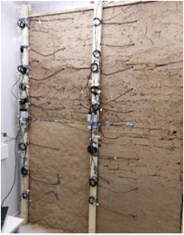
The Research Institute for Mechanics and Civil Engineering (GeM) in Nantes is developing cutting-edge expertise in cob material as a sustainable building material. Through laboratory and pilot-scale experiments, GeM researchers are characterizing the hygrothermal properties of cob, a traditional earthen material, in collaboration with partners such as Gustave Eiffel University and the national research network on earthen materials.

Their work offers new insights into how rethinking building materials can help reduce the impact of climate change on everyday life — combining heritage techniques with modern porous media science.

Photo credit: Junior Tchiotsop


We are launching a new initiative, dedicated to supporting scientists who are also parents. MiniPore aims to foster a more inclusive scientific environment by creating a space where experiences can be shared openly and supportively. MiniPore gives a voice to those striving to balance the demands of academic life with the joys and challenges of parenthood.

Whether you're already navigating this journey or planning to start, MiniPore is here for you!

Come and meet fellow InterPore members, help shape the direction of the group and be part of a supportive network.

Save the Date: 2 December 2025 at 14:00 CET

Stay tuned - the link will be published shortly!


EquiPore is launching a new structured mentorship program to support our InterPore community.

The aim is to support the development of porous media enthusiast by providing a safe space to ask pressing questions to mentors of our community. The intention is to run dedicated mentorship session every half year, with the first meeting starting 3 December 2025, 4 pm CET. If you are interested in becoming a mentor, please sign up by 31 October 2025.


We’re delighted to share the InterPore 2024 Annual Report, showcasing a year full of growth, collaboration, and scientific achievement within the porous media community. The report includes an InterPore2024 recap, reflection of activities from the National Chapters, the InterPore Academy and the InterPore Foundation, updates from our own InterPore Journal, InterPore awards, InterPore Council’s Corner and social activities and strategic priorities and investments shaping the future of InterPore.

Dive into the full report and explore how InterPore continues to connect and advance the global porous media community.


The InterPore Council met online on 24 September.  While the agenda including a few minor business items, the majority of the discussion centered around a financial update and a draft version of the InterPore Strategic Plan.

The draft strategic plan has received comments from the Council, Executive Committee, and InterPore Staff, and is currently under final revision before publication.  Its aim is to help guide and provide focus for InterPore investment and decision-making over the next 3-5 years.


The InterPore Benelux chapter searches for two new members for the steering committee to join us in organizing local InterPore activities. We encourage in particular volunteers fulfilling one or more of the following criteria for a diverse representation of InterPore Benelux:

  • Young Researcher (PhD/PD)

  • Industry Researcher

  • Researcher from Luxembourg or the French-speaking part of Belgium

Please send a brief motivation for your application to m.rucker@tue.nl. We are looking forward to hearing from you!



The VI Annual Meeting of the Spain InterPore Chapter will take place in Madrid on 19-20 November 2025 at E.T.S.I. Caminos, C. y P. (UPM), Madrid. Abstracts may be submitted in Spanish or English indicating oral/poster preference. Abstracts should be under 250 words.

For more information, please check the brochure and visit the Spain InterPore Chapter website and VI Annual Meeting page.


For its third annual meeting, the West Africa InterPore Chapter (WAIC) invites researchers and industry professionals to submit abstracts for the upcoming symposium. This edition highlights the Special Topic: Machine Learning for Porous Media Systems.


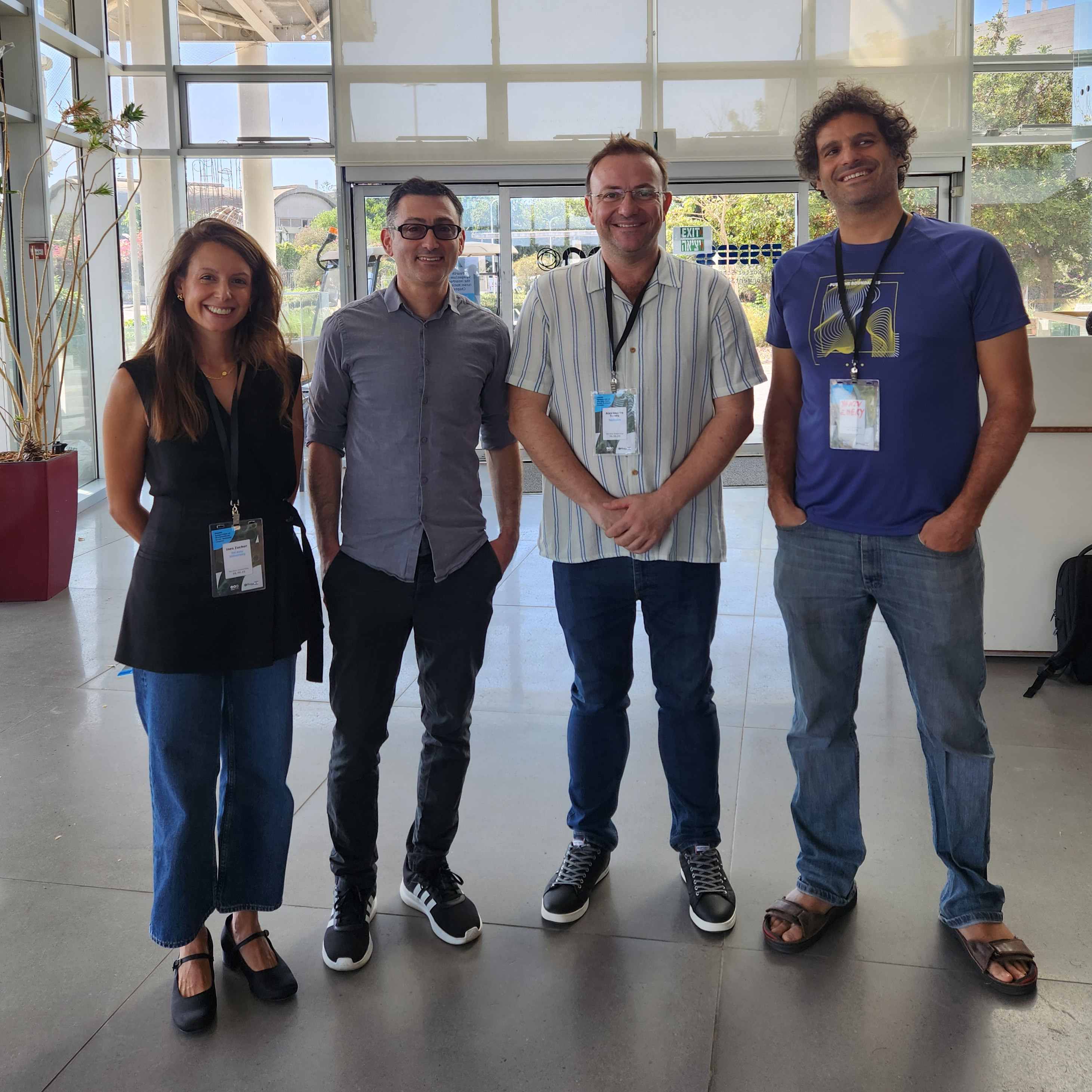
The Fourth InterPore Israel Chapter Symposium was held on 19 October 2025 at Tel Aviv University, hosted by the Faculty of Engineering. The organizing committee — Ines Zucker, Avinoam Rabinovich, Yaniv Edery, and Alexandros Terzis — welcomed about 50 participants from universities and research institutes across Israel. The symposium featured 15 oral presentations and 13 posters, covering an impressive range of topics related to physics, environmental engineering, earth science, biology, chemistry and fluid mechanics, considering various scales of interest - from nano to field scales. 

The Best Poster Award was presented to Ayelet Ben Kish Sharvit for her outstanding contribution.

Participants reported a highly successful and inspiring event, rich in scientific exchange and collaboration.


Nominate a worthy recipient today! InterPore proudly recognizes researchers for excellence across disciplines and at all career stages. Do you know someone whose work deserves to be celebrated? Let’s honor and highlight the outstanding contributions shaping the porous media community.

Deadline: 15 November 2025


Many thanks to all those who joined this week’s webinar with Jan Martin Nordbotten (University of Bergen) on “Understanding data and simulations for flows in porous media.”

We were happy to see an engaged live audience and over 100 participants tuning in remotely. For those who missed out, you can view a recording of the session here.

Visit our InterPore Academy page for more details and don’t miss our next webinar on Tuesday, 2 December 2025, 2-3pm CET, in which Samintha Perera (University of Melbourne and Australian Research Council Future Fellow) will discuss “Underground Hydrogen Storage in Depleted Hydrocarbon Reservoirs: Uncertainties in Reservoir Integrity.”

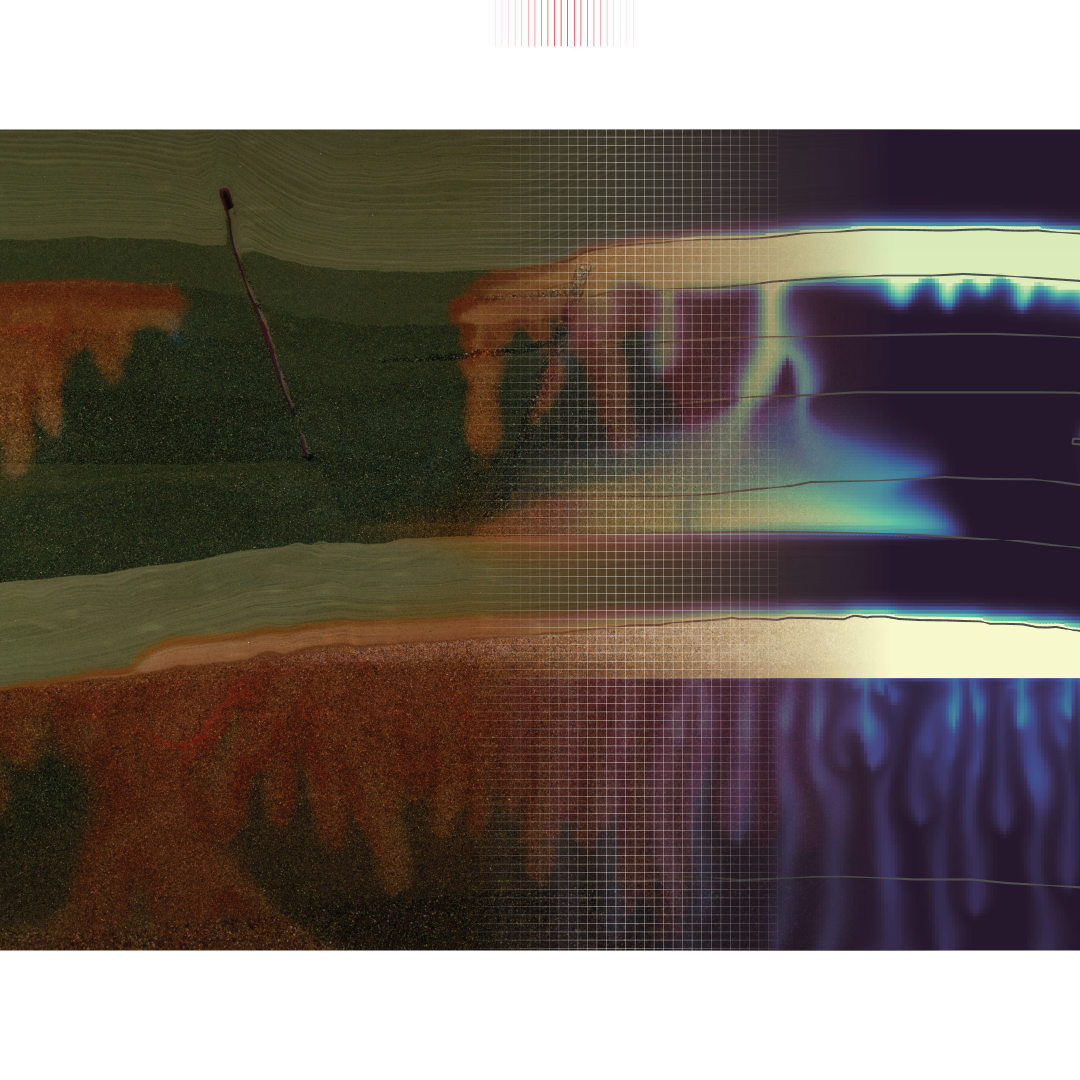
Figure credits: Martin Fernø, Lluís Saló-Salgado, Jan Martin Nordbotten


The International Science Council (ISC) secretariat will be represented at the UNFCCC COP30 in Brazil in November and is curating a webpage gathering related resources from the ISC community and an expert book listing active scientists engaged in climate change-related research, which will be distributed to policymakers, media and other scientists.

Please share your related reports, papers and events, including COP30 side-events, and encourage relevant experts (who may or may not be attending COP30) to apply for inclusion in the ISC expert book via the link below.


Catherine A. Peters (Princeton University, USA), invited speaker at InterPore2024, has been elected a Fellow of the American Geophysical Union (AGU) for her work in environmental geochemistry with a focus on sustainable energy technologies.

Peters, the George J. Magee Professor of Geological Engineering, joins 52 individuals in the 2025 Class of Fellows. AGU, the largest Earth and space science association, bestows this honor to researchers who have made exceptional scientific contributions, a group that has included less than 0.1% of AGU members each year since the program’s inception in 1962.


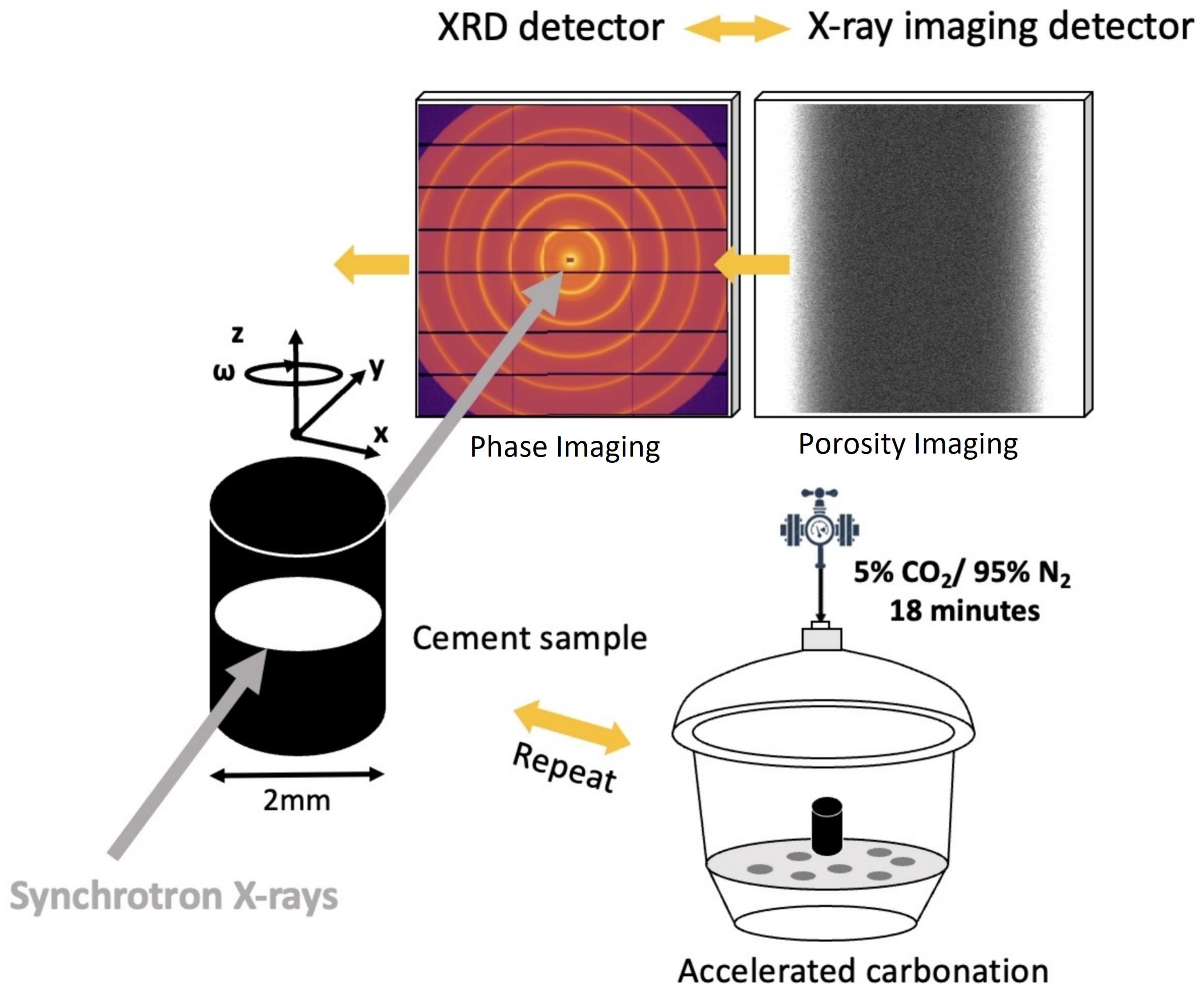
Zixian Su, Zengliang Yue, Alastair T.M. Marsh, Marco Di Michiel, Timothy L. Burnett, John L. Provis, Partha P. Paul, Susan A. Bernal, Philip J. Withers

This study applies X-ray diffraction computed tomography (XRD-CT) to unravel the spatially resolved carbonation mechanisms in alkali-activated slag cements. By correlating mineralogical transformations with CO₂ penetration depth, the work identifies the progressive decalcification of C–A–S–H gels and formation of carbonate-rich phases within distinct microstructural domains. The integrated 4D approach provides unprecedented insight into phase-specific degradation pathways and their links to porosity and durability. The findings demonstrate the value of correlative XCT-based imaging for understanding reactive transport and long-term stability in low-carbon cement systems.


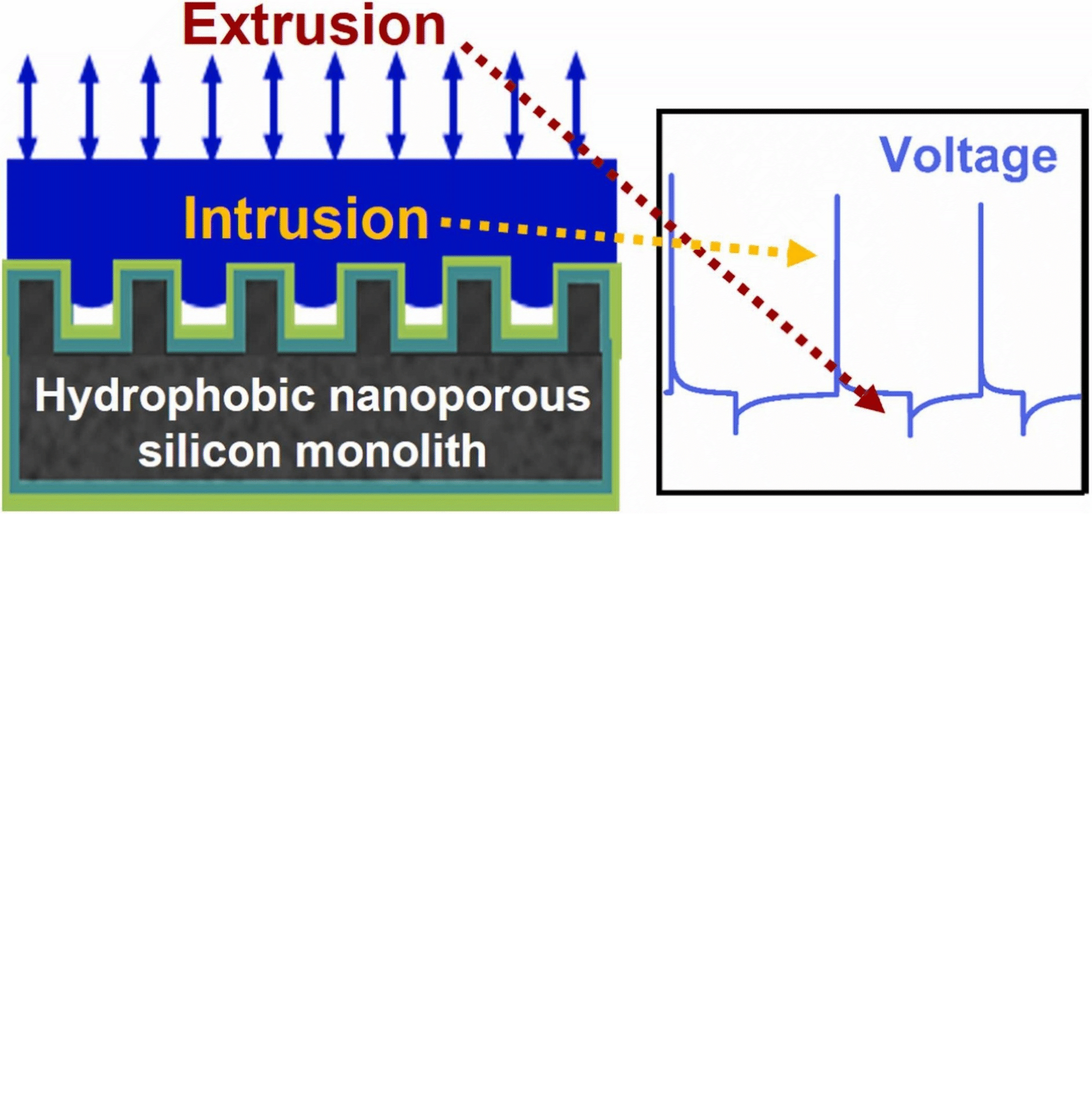
Luis Bartolomé, Nicola Verziaggi, Manuel Brinker, Eder Amayuelas, Sebastiano Merchori, Mesude Z. Arkan, Raivis Eglītis, Andris Šutka, Mirosław Chorążewski, Patrick Huber, Simone Meloni, Yaroslav Grosu

This study demonstrates how water confined in hydrophobic nanoporous silicon can generate electricity through cyclic intrusion–extrusion processes. By coupling interfacial triboelectrification with precise pore architectures, our team achieves high energy efficiencies, revealing new opportunities for water-driven materials, porous media physics, and autonomous sensing applications.


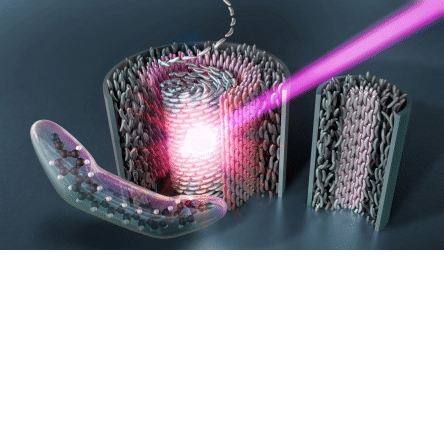
When symmetry breaks, beauty and functionality emerge — from the Higgs field to seashells’ spirals. Our international team has now observed this principle in liquid crystals confined within nanopores. By squeezing banana-shaped molecules into tiny channels, they uncovered how geometry alone can tune optical and chiral properties — a discovery promising new paths for adaptive optics and energy-converting materials.


Job Offers

PositionLink
Open positions with Cluster of Excellence BlueMat: Water-Driven Materials Show Job Offer
PhD Project: Habitat dependence of tipping points in upland soils and implications for natural flood management Show Job Offer
18-month Postdoc position at Géosciences Rennes, Univ. Rennes, France Show Job Offer

There is always something going on at InterPore! We have courses, workshops, and webinars through the InterPore Academy, Chapter Meetings across the globe, and the Annual Meeting in a new and different location every year. Check out the offerings through the button below.