InterPore News featuring the PMTTT Team Update

Sent on: 21-12-2025

Dear InterPore colleagues,

Merry Christmas and Happy New Year! And in particular to those who are in the darkest places that our world currently carries… I hope for a better future and that all of us living in safety and prosperity will work much, much harder to get the darkness from our planet.

And so, the last Newsletter of 2025 looks ahead into 2026. Webinars, InterPore2026 in Nantes, new PMTTT members, and the important work of EquiPore and the Foundation. And until 2026… we will be reminding you about the InterPore2026 abstract deadline of 5 January!

Matthijs de Winter
Editor-in-Chief
InterPore News


Abstract submission deadline is fast approaching—just over two weeks remain until the deadline on 05 January (midnight PST)!

We invite researchers, practictioners, and students to share their latest findings on the physics, chemistry, biology, and engineering of porous media.


A reminder that the InterPore Foundation is offering conference grants for researchers from low- and middle-income countries and graduate students. Grants cover the registration fee, and selected recipients receive up to an additional €500 for travel. Applicants must have an accepted presentation at InterPore2026 and hold current InterPore membership. Awards are based on academic achievement and abstract quality.

Apply online by 5 January.

Your contribution can shape the future of scientific innovation. Many brilliant researchers and students face financial barriers that limit their ability to attend the InterPore Conference, Academy Short Courses, Workshops, and national chapter meetings. By donating to the InterPore Foundation, you directly support students and researchers from countries with economic difficulties, empowering them to share their work, engage in meaningful collaborations, and push the boundaries of porous media research.

Since 2018, the InterPore Foundation has provided more than 120 conference grants to students and early-career scientists. Our goal is to increase both the number and amount of these grants in the coming years. Your generosity doesn’t just help individual researchers—it fuels global progress in science and technology, ensuring that financial constraints never stand in the way of discovery and innovation.

Together, we can be a catalyst for change. Donate today and help pave the way for the next generation of scientific breakthroughs.


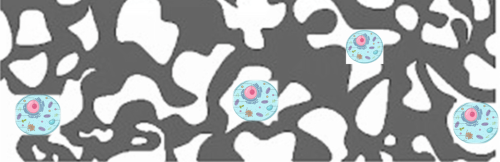
Emulating cell motility in natural porous media: from health to environment is led by Nicolas Waisbord and explores how microfluidic and biomimetic porous systems are transforming our understanding of cell motility across health and environmental contexts. The session highlights advances in micromodel design that replicate realistic pore geometries, surfaces, and flow conditions, alongside experiments revealing unexpected single-cell and collective behaviors.

Machine Learning in Porous Media is led by Bailian Chen and highlights the rapidly growing role of machine learning in advancing porous media science. The session brings together new ML methodologies and applications ranging from surrogate and reduced-order modeling to imaging, digital rock physics, and multiscale simulations. Emphasis is placed on physics-informed, interpretable, and transferable ML approaches that bridge data and theory.


We are delighted to announce that Kimberly-Clark is a Platinum Sponsor of InterPore2026!

Kimberly-Clark has been a long-standing and valued supporter of InterPore, demonstrating a strong and continued commitment to the porous media community. Over the years, Kimberly-Clark has:

  • Regularly served as a Platinum Sponsor of InterPore Annual Meetings
  • Been an Institutional Member of InterPore
  • Sponsored the Kimberly-Clark Distinguished Lectureship Award from 2018 to 2025, a truly legendary contribution to our community

We are grateful for Kimberly-Clark’s continued partnership and support, which play a vital role in advancing research, collaboration, and innovation in porous media science


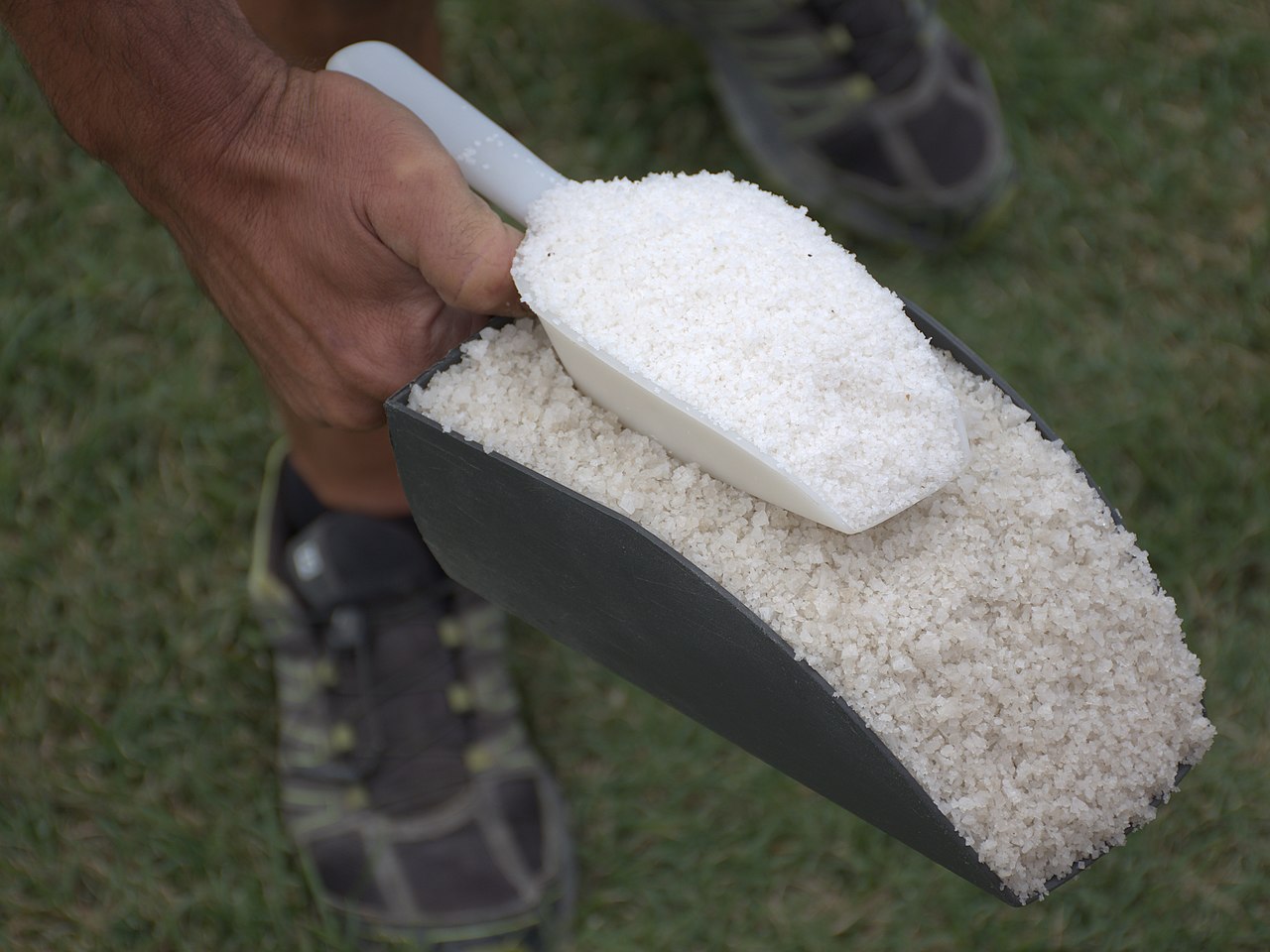
InterPore2026 will be in Nantes. This week's cultural highlight: See der Guérande

Sel de Guérande (literally salt from Guérande) is a traditional, unrefined sea salt harvested by hand from the salt marshes of the Guérande peninsula, 80 km west of Nantes. The production of Guérande salt is an artisanal process. Well worth a visit!

Photo credit: Stéphane Gourichon / CC BY-SA 4.0


Supporting Parents in Science Balancing the roles of parent and scientist can be challenging, and MiniPore is here to help! This new initiative within InterPore aims to support and empower parents in our community. We recently held our first MiniPore meeting and are excited to continue the conversation. Looking ahead, we plan to meet in person during InterPore 2026. In the meantime, if you’re a parent and would like to connect, join our MiniPore LinkedIn Group and become part of this growing network!


In addition to this newsletter, our two InterPore LinkedIn channels are an excellent way to stay up to date with news, announcements, events, and opportunities related to the InterPore Society and the broader porous media community.

If you’re not following us yet, we warmly invite you to do so. You’ll find links to both LinkedIn channels — as well as our other social media profiles and options to join, donate, or contact us — on our digital business card.

Following us on LinkedIn helps ensure you don’t miss timely updates between newsletters.


A reminder that applications to host Prof. Lyesse Laloui, from the Swiss Federal Institute of Technology at Lausanne (EPFL), Lausanne, Switzerland, are still open until 28 February 2026.

For detailed information about the lectures, please visit Prof. Laloui’s page. If your university/institution is interested in hosting, please fill out the application form on our website.


We invite you to start off the new year with one of our upcoming InterPore Academy courses, led by experts from Delft University of Technology.


Both courses provide in-depth training in advanced modeling and simulation methods.


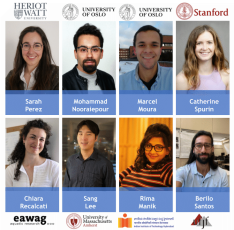
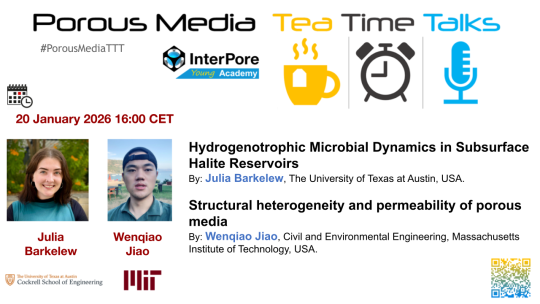
The InterPore Young Academy is pleased to announce recent membership updates within the Porous Media Tea Time Talks team.

We extend our sincere gratitude to the following departing members:

  • Mahdi Mansouri Boroujeni, Aix-Marseille Université, France

  • Ramin Moghadasi, University of Gothenburg, Sweden

And we are delighted to welcome two new members:

  • Rima Manik, Indian Institute of Technology Hyderabad, India

  • Berilo Santos, Federal University of Juiz de Fora, Brazil

We look forward to the energy, expertise, and fresh perspectives they will bring as the team continues to expand accessible learning and exchange opportunities for young researchers in the field of porous media.


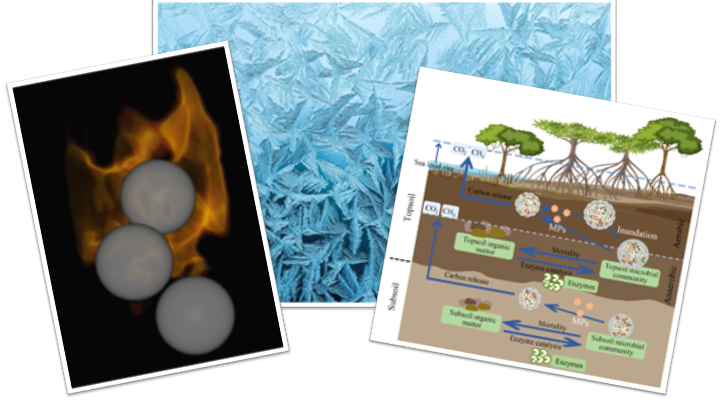
Mark your calendars for the webinars in 2026! Curious about The Secret Life of Soil (27 January), taught by Professor Xiaofan Yang? Or maybe Ice Scupturing with Porous Media Flow (3 March), taught by Assistant Professor Xiaojing Fu? Or how about on 21 April, the lecture by Professor Jimenez-Martinez on How Inert Phases and Active Matter Shape Mixing and Reactions in Porous Media?


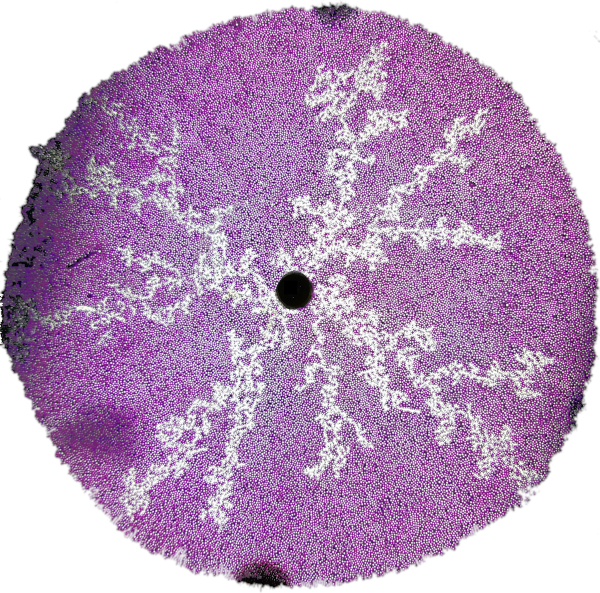
Non-Newtonian flows in porous media are attracting considerable attention, as this field presents several open questions that require multidisciplinary expertise. The workshop (11 - 15 May, 2026, Cargèse, France) aims to bring together experts from different fields to discuss common challenges, compare methodological approaches, and highlight the latest scientific advances.


Authors preparing manuscripts for the InterPore Journal can now use our official LaTeX template, designed to support consistent formatting and streamline the submission process.


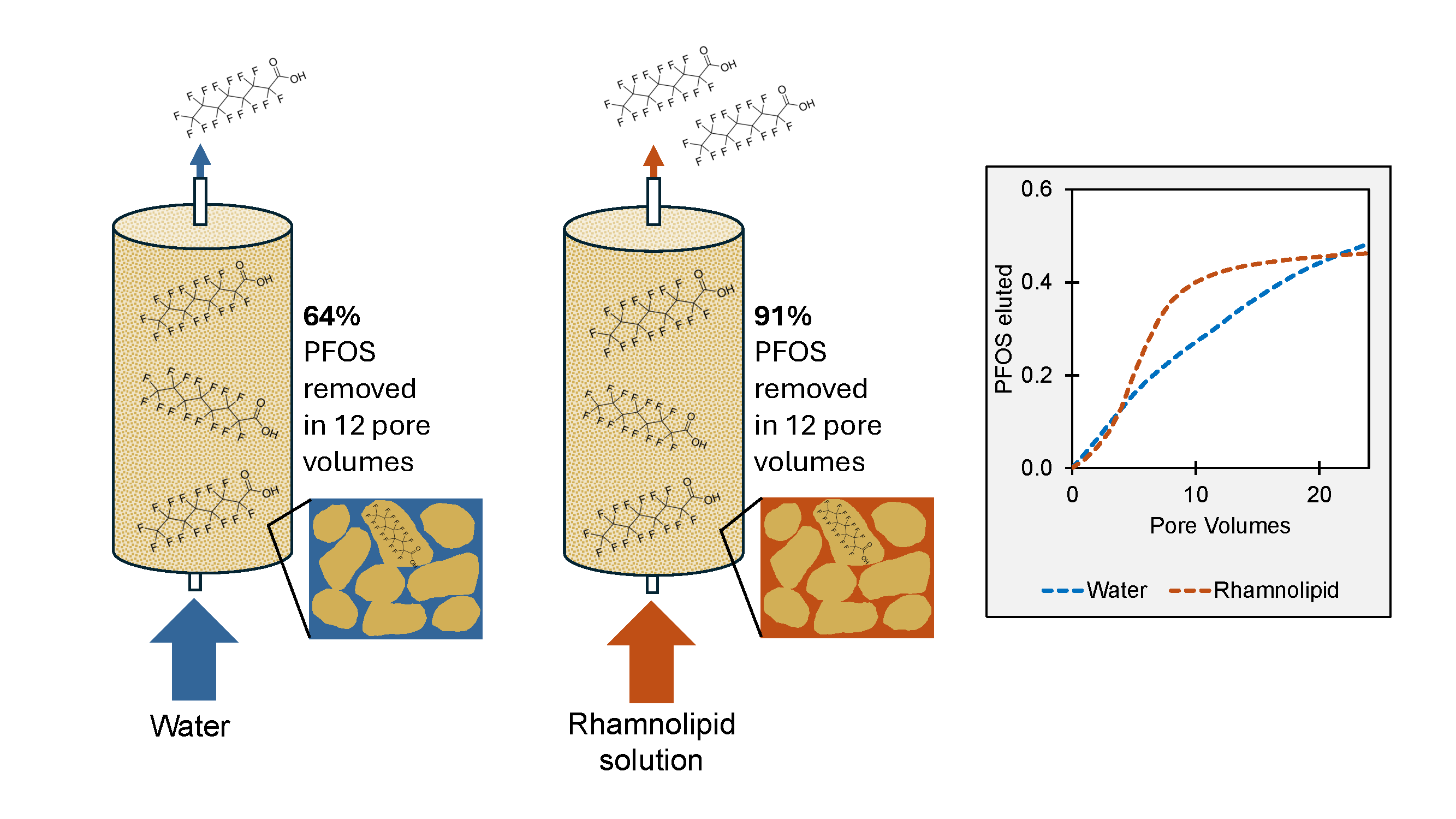
Sophie R. Hibben, Alraune Zech, Bas van der Grift, Jacco Koekoek, Sicco Brandsma, Johan van Leeuwen

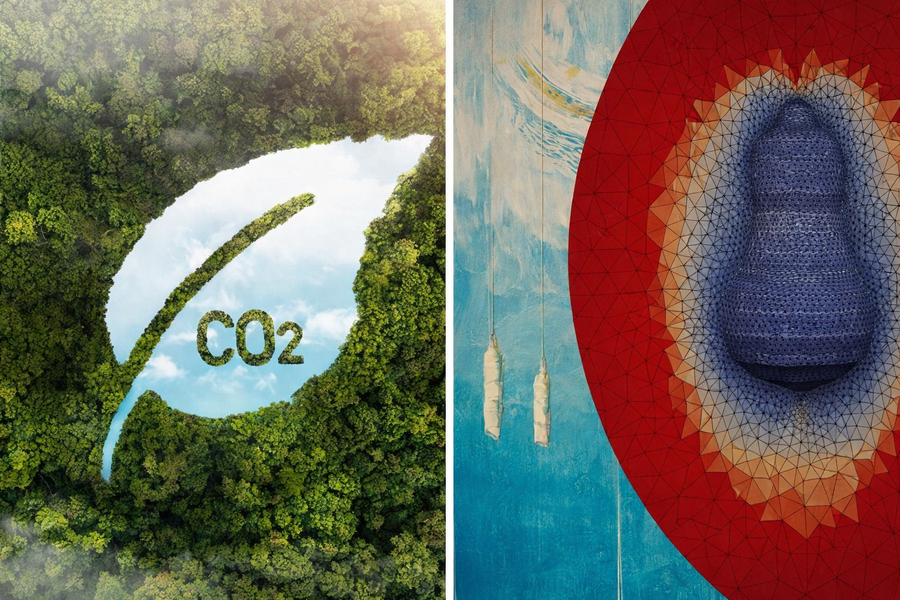
PFAS “forever chemicals” pose risks to human health and the environment. A new study shows that a biodegradable soap can remove PFAS from contaminated soil more efficiently than water. Hibben et al. report that a rhamnolipid biosurfactant reduces PFOS retention in soil, offering a promising step toward more sustainable PFAS remediation.


Michael McKague, Hamed Fathiannasab, Mohammad Amin Sadeghi, Jeff Gostick

McKague et al. revisits medial-axis-based pore network extraction and presents an updated, efficient method called the Medial Axis Guided Network Extraction Tool (MAGNET). The approach analyzes the skeleton of the pore space and uses improved strategies to identify pore bodies and throat geometry, producing fast and topologically accurate networks. Validation on Berea sandstone shows strong agreement with watershed-based methods and lattice-Boltzmann simulations, including permeability predictions within 5%. MAGNET thus offers a modern, computationally efficient alternative for digital porous media analysis.


There is always something going on at InterPore! We have courses, workshops, and webinars through the InterPore Academy, Chapter Meetings across the globe, and the Annual Meeting in a new and different location every year. Check out the offerings through the button below.